
 By Siam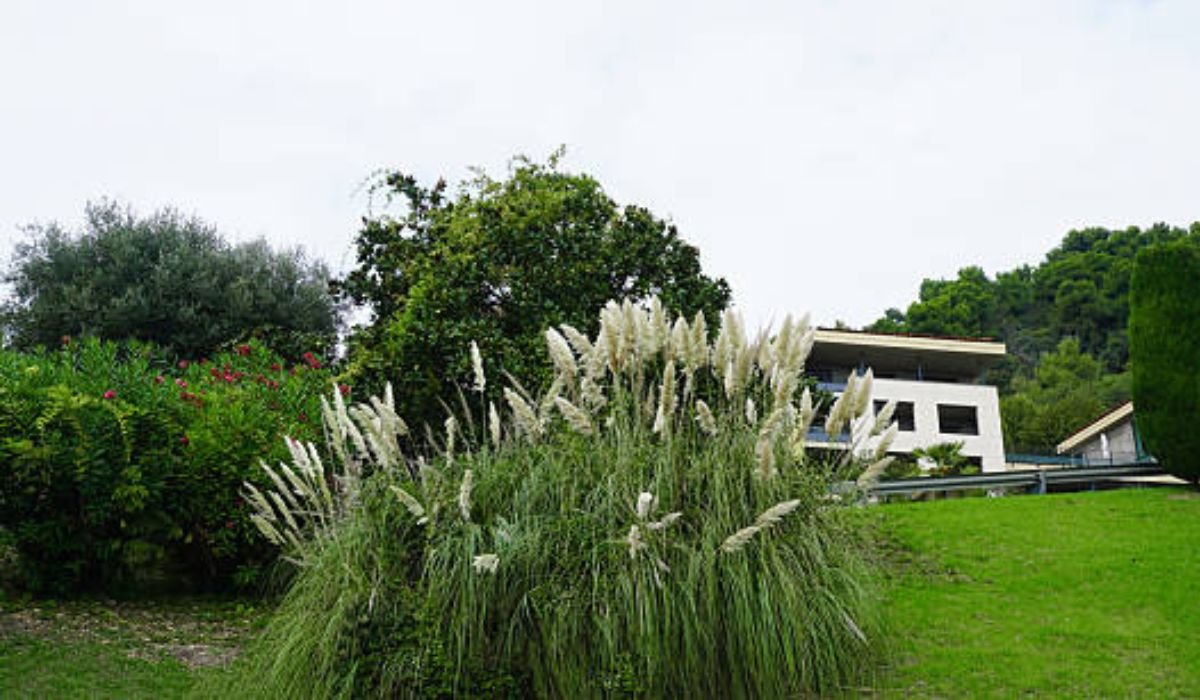
Pampas grass is a type of grass that mainly grows in South America. Tall and resilient, with its iconic plumes, this grass is becoming a popular option in home and garden decoration.
Cortaderia selloana (Pampas grass) can survive with little water, is resistant to hot and cold, and doesn’t require excessive care. It seems like the perfect way of dressing up your yard with almost no effort.
Despite its beautiful, feathered-like plumes and its low maintenance, pampas grass is not all fun and games. This grass can actually be very problematic and even dangerous.
If you want to know more about the disadvantages of pampas grass, this post is for you. Here, we will discuss some problems related to this type of grass. You might want to think twice before following trends and growing them in your garden.
1) Pampas Grass Is an Invasive Species
In Texas and other states, Pampas grass is labelled as an invasive species.
First of all, this grass can proliferate at a fast pace. It produces thousands of seeds that travel long distances, spreading easily. In the blink of an eye, this grass expands and thrives, especially due to its resistance to heat, cold, and lack of water.
Moreover, it can displace native species. This grass extends quickly, overtaking territory and replacing native plants, which may cause an imbalance in the environment.
2) It Fosters The Presence of Pests
Pampas grass can grow up to around 6 to 10 feet tall. The tall grass is an excellent shelter for wild animals and pests. Rodents, snakes, and insects can find a safe space in pampas grass to hide from predators.
Ultimately, this can lead to health issues and a limitation of outdoor activities. Do you imagine not being able to enjoy your yard because of… the grass?
3) Pampas Grass Can Hurt
Don’t let the plumes fool you. Even though the feather-shaped flowers are soft, the leaves of Pampas are like little razors that can cause injuries.
When handling them, it is ideal to use gloves and long clothes to avoid injuries. Experts also recommend planting this grass far from places where children and pets play and circulate.
4) It Exacerbates Wildfires
This type of turf is extremely flammable, especially when it dries in summer. As pampas grass is tall and dense, it acts as a fuel for wildfires, helping them spread quickly and making the flames more intense.
If you’re considering planting pampas grass, try to plant it far from buildings, outside cooking spaces, or anywhere it could be near flames.
How to Control Pampas Grass
If you still want to include pampas grass in your yard, there are ways to control it effectively.
Of course, trimming is important. During late winter, pruning pampas grass is a good method to keep it under control. Before it starts growing again, cut it almost to the base. This will also ensure that it grows healthy in the spring.
Pampas grass grows in clumps. If not controlled, clumps might expand and start taking over more space. Prevent it from growing by cutting the clump. It is difficult to do it, so you might need an axe or a saw.
Moreover, hiring experts in landscaping and lawn care is also a good idea. These experts have the knowledge and appropriate tools to deal with invasive species, such as the pampas grass.
Pampas Grass: Yes or No?
The big dilemma: To be trendy or not.
Pampas grass serves as decoration for both interiors and exteriors, either live or dried. When you want to give your yard a fresh look and add that beautiful feathered grass you saw in that landscaping magazine, questions arise:
- “Do I risk my property incorporating this grass?”
- “Will my kids and pets be safe?”
- “Is it going to damage the rest of my plants?”
In the end, pampas grass is not all about dangers. Apart from its appearance, it has some benefits, and it is also a vegetation type that needs very little care.
If you are still on the fence about whether to plant pampas grass, do not hesitate. Contact experts in lawn care and landscaping to help you decide which type of grass is better for your property and how to take care of it responsibly.
YOU MAY ALSO LIKE: The Silent Guardians of Your Property: Why Professional Tree Care Isn’t a Luxury, It’s a Necessity