 By Arthur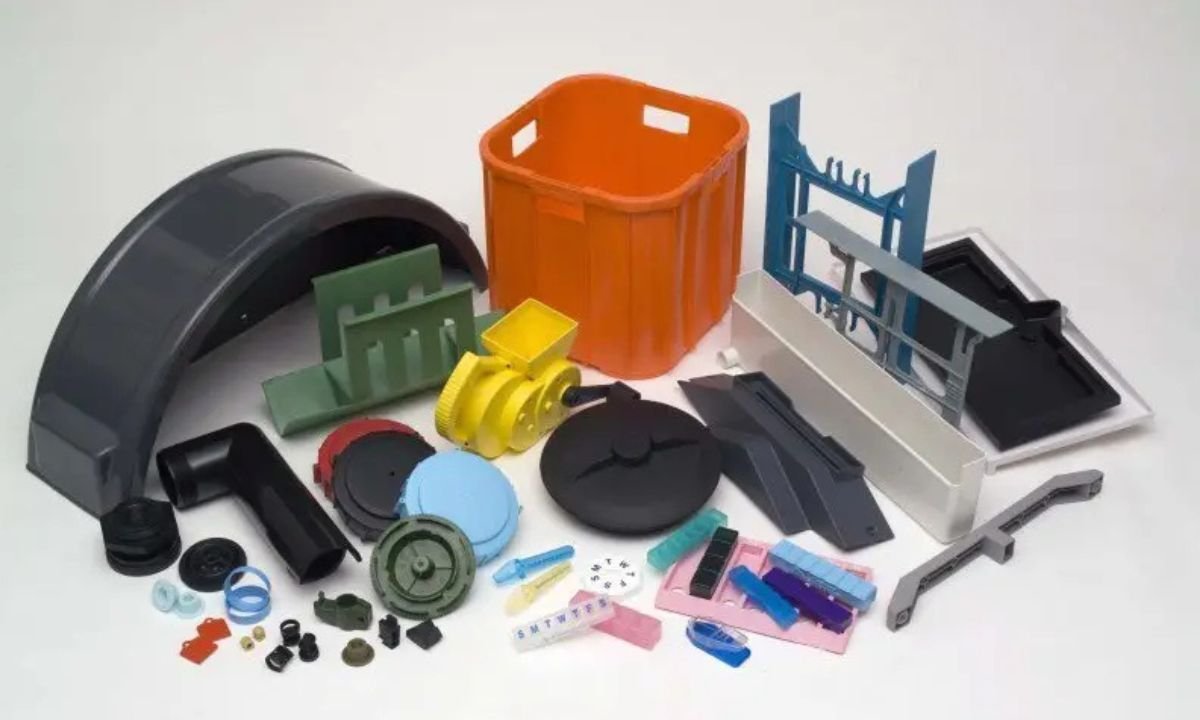
Think about the last time you picked up a medical device or peeked under the hood of an electric vehicle. Chances are, some critical components were born from plastic injection molding. It’s not just about churning out cheap plastic toys anymore—this process has evolved into a sophisticated manufacturing powerhouse capable of producing incredibly durable, precise parts that hold up in the toughest environments.
When you’re looking for a reliable plastic injection molding company, one name that stands out is Plastic Molded Concepts. With over 50 years in the game, they’ve built a reputation for tackling the really tough stuff: mission-critical parts made from everything from basic polyethylene to high-end engineering resins. Their in-house Master Molders and cutting-edge tech ensure parts that don’t just meet specs—they exceed them, especially for industries like aerospace, defense, and medical where failure isn’t an option.
Table of Contents
- What Is Plastic Injection Molding?
- Key Materials in Modern Injection Molding
- Advanced Technologies Driving the Industry Forward
- Benefits of Partnering with Specialized Molders
- Common Challenges and How Experts Overcome Them
- Comparison: Commodity vs. Engineering Resins
- Frequently Asked Questions
- Looking Ahead
What Is Plastic Injection Molding?
At its core, plastic injection molding involves melting plastic pellets and injecting them under high pressure into a precision-crafted mold. Once cooled, the part pops out—ready for use or further assembly. Simple, right? Well, not quite. The magic happens in the details: controlling temperature, pressure, and cooling rates to avoid defects like warpage or sink marks.
You’ve probably heard people ask, “How does injection molding compare to 3D printing?” For prototypes or low volumes, printing wins on speed. But for high-volume production with tight tolerances? Injection molding is unmatched in efficiency and cost per part.
In my experience working with manufacturers, the process shines when you need repeatability. One run of 10,000 parts can look identical to the next—something harder to achieve with other methods.
Key Materials in Modern Injection Molding
Materials make or break a project. Basic commodities like polyethylene (PE) or polypropylene (PP) are great for everyday items: lightweight, chemical-resistant, and cheap to process. Polyethylene, for instance, comes in low-density (flexible, like plastic bags) and high-density varieties (tougher, for containers or automotive bits).
But here’s where things get interesting—advanced engineering resins. These are the heavy hitters: nylons, polycarbonates, PEEK, or glass-filled composites that handle extreme heat, stress, or chemicals. They’re pricier and trickier to mold, but they enable parts that replace metal without sacrificing strength.
You might not know this, but some companies specialize in these tough resins because most molders stick to easier stuff. That’s a big differentiator.
Advanced Technologies Driving the Industry Forward
The field isn’t standing still. By 2025, we’re seeing heavy integration of automation, AI, and smart systems. Think robots handling inserts or real-time sensors adjusting parameters to prevent defects.
Trends like micro-injection molding allow for tiny, intricate parts in electronics or medical devices. Gas-assisted or water-assisted techniques hollow out thick sections, reducing weight and material use without weakening the part.
Sustainability is huge too—bio-based resins, recycled content, and energy-efficient machines are becoming standard. Conformal cooling channels in molds (often 3D-printed) speed up cycles and improve quality.
Honestly, this isn’t talked about enough: closed-loop cavity pressure control can slash scrap rates dramatically. It’s game-changing for complex parts.
Benefits of Partnering with Specialized Molders
Not all plastic injection molding companies are created equal. Some focus on high-volume consumer goods; others, like those with in-house Master Molders, excel at engineered resins for mission-critical apps.
Having certified Master Molders on staff means deeper troubleshooting—predicting issues before they happen. Pair that with state-of-the-art robotics and scientific molding principles, and you get fewer failures, faster development, and parts that perform reliably.
Let’s break that down: in-house expertise reduces reliance on outsiders, speeding up iterations. For industries like aerospace or medical, that’s not just convenient—it’s essential.
Common Challenges and How Experts Overcome Them
Warpage from uneven cooling? Sink marks in thick areas? Brittleness in glass-filled materials? These are classic pitfalls.
Experts tackle them with mold flow analysis upfront, optimized gate designs, and precise process control. Some disagree on the best fixes—I’ve seen debates over variable mold temperatures versus traditional methods—but data-driven approaches usually win out.
A quick anecdote: I once saw a project stall because of molded-in stress in a defense part. Switching to a molder experienced in engineering resins fixed it overnight.
Comparison: Commodity vs. Engineering Resins
Here’s a straightforward table comparing the two main material classes:
| Aspect | Commodity Resins (e.g., PE, PP) | Engineering Resins (e.g., Nylon, PEEK, Glass-Filled) |
|---|---|---|
| Cost | Low | Higher |
| Strength & Durability | Good for general use | Excellent; handles heat, chemicals, stress |
| Ease of Processing | Straightforward; forgiving | Requires expertise; sensitive to parameters |
| Typical Applications | Packaging, toys, consumer goods | Aerospace, medical, automotive critical parts |
| Temperature Resistance | Moderate | High (up to 300°F+ for some) |
| Weight Reduction Potential | Moderate | High (often replaces metal) |
| Pros | Affordable, recyclable, versatile | Superior performance, longevity |
| Cons | Limited in extreme conditions | More expensive, potential brittleness if mishandled |
Commodity wins on budget; engineering on performance. Choose based on your needs.
Pros and Cons of In-House Master Molders
- Pros: Faster problem-solving, consistent quality, innovative solutions for tough resins.
- Cons: Higher upfront costs for the molder (passed on somewhat), but worth it for complex projects.
Frequently Asked Questions
What is plastic injection molding used for?
It’s ideal for high-volume production of precise plastic parts, from medical devices and automotive components to consumer electronics and packaging.
How long does the injection molding process take?
Cycle times range from 10 seconds to a minute per part, depending on size and complexity. Tooling setup can take weeks to months.
What materials are best for injection molding?
It depends—polyethylene for flexibility and cost, engineering resins like PEEK for high-performance needs.
Is injection molding environmentally friendly?
Increasingly yes, with recycled materials, bio-resins, and efficient machines reducing waste and energy use.
How much does custom injection molding cost?
Tooling is the big upfront expense (thousands to hundreds of thousands), but per-part costs drop dramatically at volume.
Can injection molding handle complex geometries?
Absolutely—techniques like overmolding or insert molding add features like threads or metal inserts seamlessly.
What’s the difference between commodity and engineering resins?
Commodity are cheaper and easier; engineering offer superior strength and resistance for demanding apps.
Looking Ahead
Plastic injection molding isn’t going anywhere—it’s getting smarter, greener, and more capable. With AI optimizing processes and new materials pushing boundaries, we’re on the cusp of even lighter, stronger parts that enable innovations in EVs, medical tech, and beyond.
Some experts predict full lights-out factories soon, but my take? Human expertise—like those rare Master Molders—will always be the secret sauce for the trickiest projects.
If you’re exploring options for your next product, what’s holding you back? Reach out to a specialized plastic injection molding company and see how advanced solutions can elevate your design.