
 By Arthur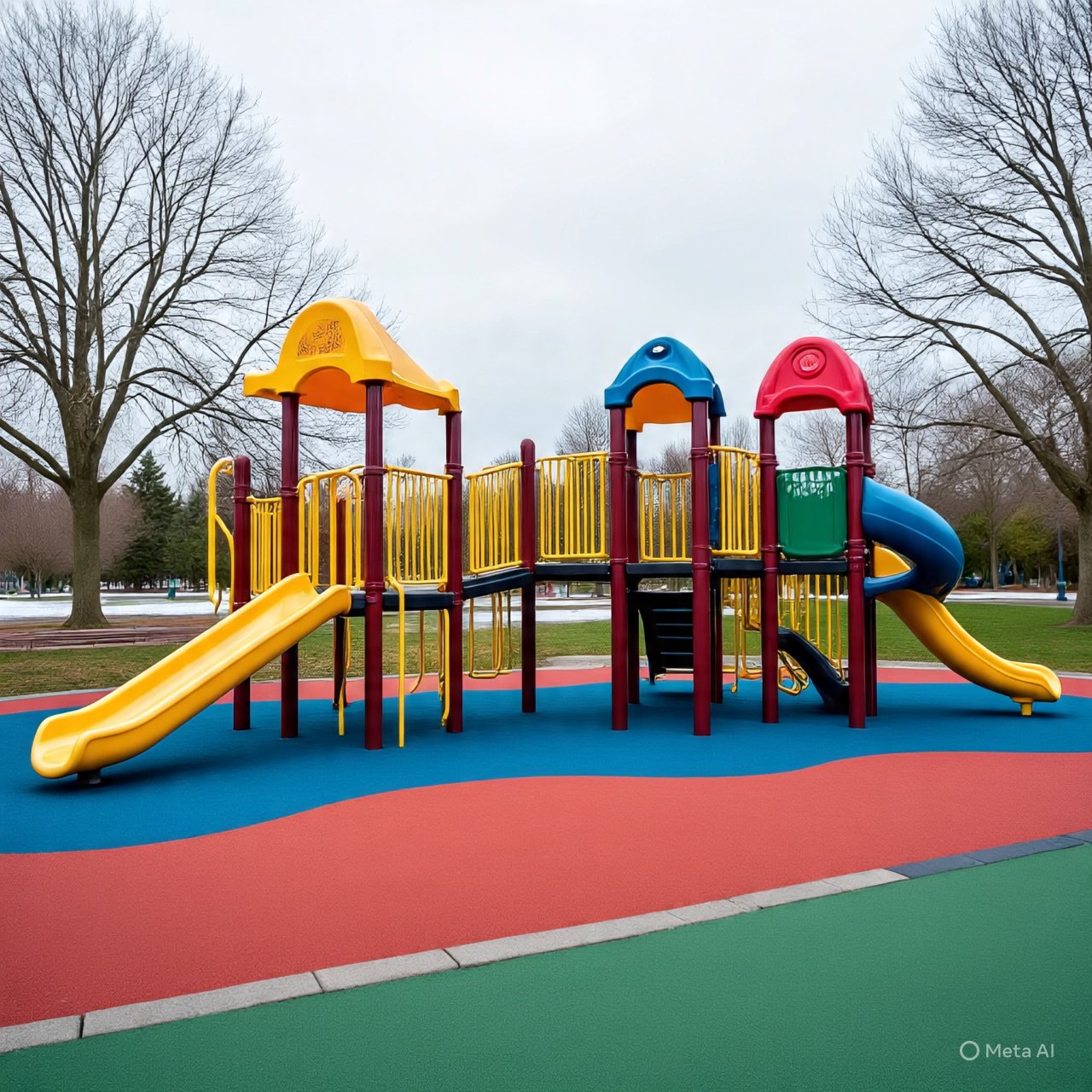
Outdoor play areas face unique challenges in regions with cold winters, warm summers, and fluctuating moisture levels. Designing and maintaining these spaces requires careful selection of materials and thoughtful planning to ensure safety and durability. Understanding what makes playground equipment resilient helps communities provide safe, long-lasting play environments.
Material Selection for Durability
Materials must withstand temperature extremes, from freezing winters to hot, sunny days. Metals are often galvanized or powder-coated to prevent rust, while plastics and composites are treated with UV stabilizers to reduce fading or cracking. Wood components are pressure-treated or sealed to resist rot, insects, and moisture, all crucial for Canadian climates.
High-quality commercial playground equipment often includes reinforced joints, corrosion-resistant fasteners, and smooth finishes that prevent splinters or sharp edges. These design elements extend the lifespan of structures and protect children from injury during play.
Surface and Drainage Considerations
Proper surfacing contributes significantly to safety. Impact-absorbing materials such as engineered wood fiber, rubber tiles, or poured-in-place rubber provide cushioning in case of falls. These surfaces must also allow adequate drainage so that melting snow or heavy rain does not create slippery or frozen hazards.
Drainage systems beneath the play area are designed to direct water away quickly. This prevents pooling, which can lead to frost heave and surface damage during freeze-thaw cycles. Regular inspection ensures that drains remain clear throughout the year.
Weather-Resistant Coatings and Finishes
Protective coatings guard against corrosion, UV rays, and temperature fluctuations. Powder coating provides a tough, uniform finish that resists chipping, while specialized paints and sealants maintain color and texture over time. These treatments reduce maintenance costs and preserve the equipment’s safety features.
In regions with heavy snowfall, smooth surfaces and minimal crevices help prevent snow accumulation. This design consideration allows for easier cleaning and reduces stress on structural components.
Safety During Seasonal Changes
Fluctuating temperatures can cause materials to expand and contract. Equipment designed with flexible joints or adaptable connectors can absorb these movements without warping or loosening. Regular seasonal inspections identify early signs of wear, such as cracks or rust, before they compromise safety.
Winter conditions require special attention. Ice buildup on climbing structures or slides increases risk, so maintenance schedules often include de-icing and cleaning protocols using non-corrosive materials that will not harm surfaces or coatings.
Inclusive and Accessible Design in All Seasons
Safe design also means accessibility for all children, regardless of ability. Ramps, ground-level play features, and tactile elements remain usable even when weather conditions change. Textured surfaces and clear pathways help maintain traction during wet or snowy periods.
Integrating water play features, such as spray park equipment, requires additional safety planning. Non-slip surfaces and efficient drainage systems are essential to avoid puddles that could freeze or cause slips. Properly insulated plumbing systems also prevent damage during cold months.
Ongoing Maintenance and Community Involvement
Routine maintenance is the foundation of long-term safety. Visual inspections for cracks, loose bolts, fading coatings, or worn surfacing materials keep equipment in top condition. Communities that establish maintenance schedules ensure that children can enjoy play spaces throughout the year.
Involving local caretakers and volunteers encourages shared responsibility for upkeep. Educating users about seasonal safety practices, such as avoiding icy areas or reporting damage, helps foster a culture of awareness and prevention.
Designing for Longevity and Enjoyment
When built with weather-resistant materials, proper coatings, and thoughtful design, playground structures can thrive through years of changing conditions. Each component, from the surfacing to the fixtures, contributes to a safer and more reliable play environment for children across all seasons.
By combining durable materials, effective drainage, and regular maintenance, communities can ensure that outdoor play areas remain inviting, inclusive, and safe despite the challenges of Canadian weather.