
 By Arthur
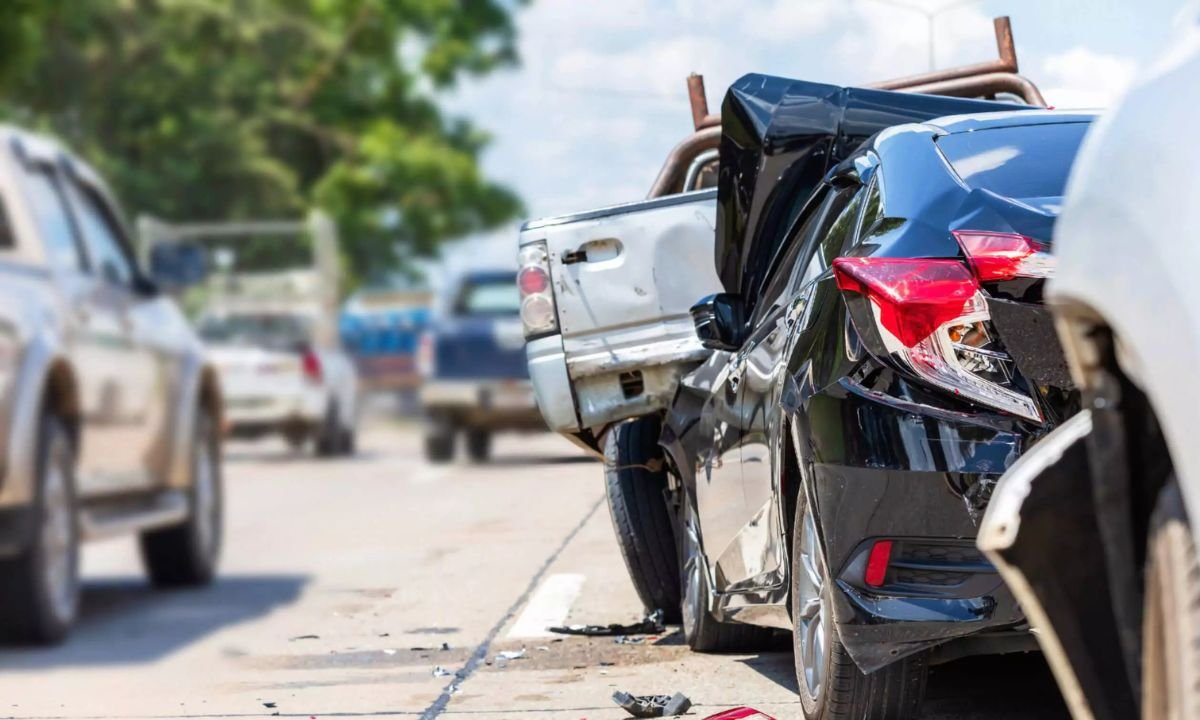
Understanding a rideshare crash starts with establishing what the driver was doing when the collision happened. For a crash in Charlotte, saving the trip receipt, recording the collision time, and organizing relevant messages can provide a clearer account of the events.
A vehicle’s use for paid rides does not explain everything about a collision. Among the rideshare accident basics, two questions deserve separate attention: what the driver was doing at the time, and whose conduct caused the crash.
Records shared with an insurer or a car collision attorney should distinguish what you observed from what you assume about the driver’s app status. That distinction helps keep the coverage question separate from the evidence of responsibility, so neither gets overlooked.
Establish the Driver’s Activity at the Time
The driver’s activity provides context for understanding the events surrounding a collision. Being offline, waiting for a request, traveling to an accepted pickup, and carrying a passenger describe different stages of rideshare work. Identifying the stage can help clarify the trip timeline and which records may be relevant.
A rideshare decal does not establish whether the driver had accepted a trip. Likewise, a passenger’s receipt may help document a ride without explaining how the collision happened. Record the collision time as accurately as you can, identify where that time came from, and note any uncertainty rather than filling gaps with guesses.
Keep available records together so that the timeline can be compared with the driver’s activity. Useful materials may include:
– Trip confirmations, receipts, and available app screenshots.
– The collision time and location, with the basis for each entry.
– Driver contact details and vehicle information exchanged after the crash.
– Photos, witness contact information, and any available crash report.
– Messages about the incident and notes from follow-up conversations.
Review what each record actually establishes. A receipt may confirm trip details, while a photograph may show vehicle damage or road conditions. Neither necessarily provides a complete account on its own.
Separate Trip Details From Evidence of Responsibility
Trip details describe the circumstances surrounding a rideshare journey. Evidence of responsibility concerns the actions that contributed to the collision. A driver’s app status alone does not explain whether someone ran a red light, changed lanes unsafely, or failed to notice stopped traffic.
In a hypothetical collision, a rideshare driver has accepted a pickup when another vehicle changes lanes into the driver’s car. The accepted trip helps establish the timeline, while the lane change raises a separate question about driving conduct. Photos, witness accounts, and vehicle positions may help explain the collision; the trip record serves a different purpose.
Keep the same distinction when describing losses. Repair estimates, transportation receipts, and records of missed work document practical consequences, but they do not by themselves establish who caused the crash. Organize each expense with its date, amount, and connection to the collision so that the records remain easy to follow.
Disagreements also need careful reading. A message questioning the collision time addresses a different issue from one disputing a driver’s actions or an expense. Identifying the actual disagreement helps you provide relevant records instead of repeatedly sending material that does not answer the question.
Clarify Unanswered Questions Before Responding
Before responding to a request or explanation about the crash, identify the issue being discussed. Determine whether it concerns the trip timeline, the driver’s activity, responsibility for the collision, or a particular expense. Keep written explanations with your other incident records.
Compare each explanation with your timeline and supporting documents. If something conflicts, describe the specific discrepancy and provide the relevant record. Where information remains unavailable, say so rather than presenting an estimate or assumption as a confirmed fact.
Prepare a Focused Incident Summary
Create a short summary with the collision date, trip details, available report numbers, disputed facts, and unanswered questions. If you discuss the incident with the law firm by phone at 1-704-714-1450, having that summary available can keep the conversation focused. Record any follow-up requests alongside your existing correspondence.
Review Documents for Accuracy and Completeness
Before submitting a written account, check names, dates, locations, and expense amounts against the records you have. Clearly distinguish your own observations from information supplied by someone else. If a detail needs correction, identify the change directly and retain a copy of the updated account so that later conversations refer to the same information.