 By Siam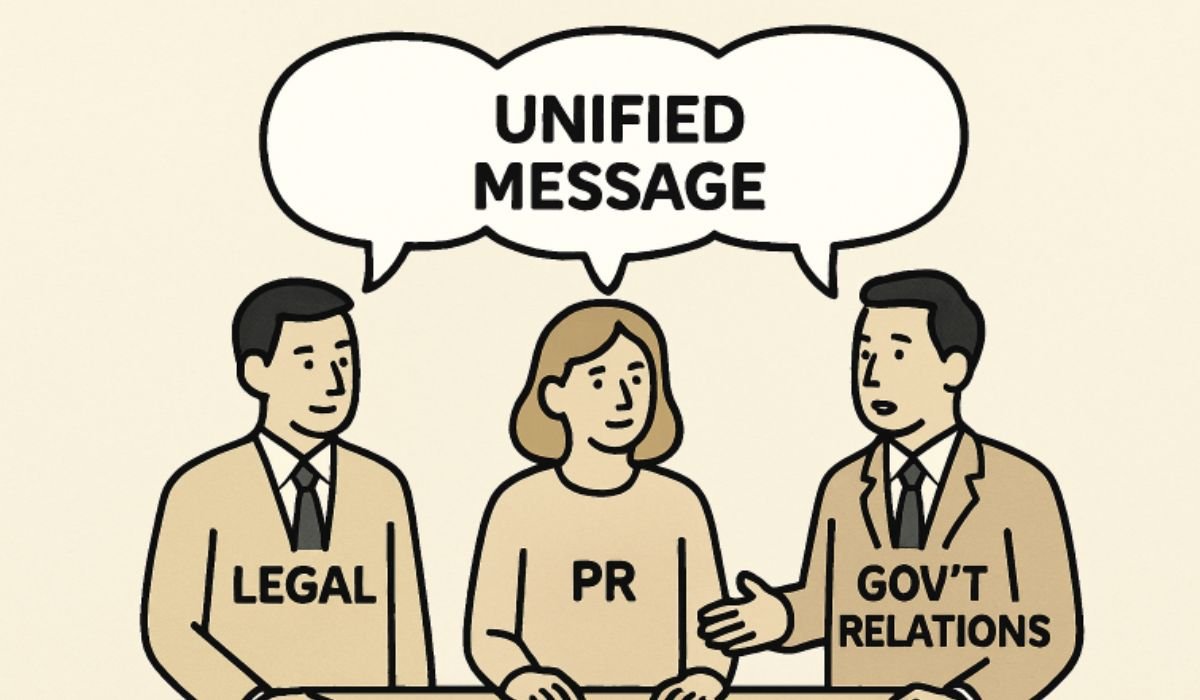
The Importance of Consistent Messaging
In a climate where public perception and stakeholder trust are more valuable than ever, organizations must present a unified story both inside and outside their walls. This means aligning the messaging that flows through legal counsel, PR representatives, and government relations officers. A coherent narrative not only upholds brand integrity but also supports smoother navigation through complex regulatory landscapes. Whether communicating with employees, the public, or lawmakers, coordinated efforts help reduce confusion, instill confidence, and safeguard the organization’s interests.
For businesses operating in highly regulated and scrutinized environments, collaborating with a lobbying firm in Maryland can provide an additional layer of strategic communication, ensuring that policy objectives and corporate values are consistently represented to both lawmakers and the public. This partnership can be especially beneficial during times of policy change or public debate, when precision and unity are paramount.
Common Challenges in Departmental Alignment
One of the most significant hurdles in achieving aligned messaging stems from the natural differences in departmental priorities and communication styles. Legal teams typically focus on risk mitigation and compliance, often defaulting to careful, sometimes restrained, language. In contrast, PR teams are driven to cultivate a positive, engaging narrative that resonates with audiences and builds public trust. Government-relations specialists, meanwhile, shape their communications around regulatory awareness and advocacy objectives.
Without transparent and proactive communication structures, these differences can quickly manifest as conflicting or unclear messages. For instance, ambiguous legal statements can be misinterpreted by the media, while overly optimistic PR messaging can set unrealistic expectations with regulators or lawmakers. This is why forward-thinking organizations invest in systems and processes to synchronize messaging across all fronts.
Proven Strategies for Cross-Departmental Alignment
Establishing robust alignment among legal, PR, and government relations teams requires deliberate and ongoing effort. The following strategies can dramatically enhance message coherence and organizational resilience:
- Regular Interdepartmental Meetings: Frequent discussions between team leads and stakeholders ensure that everyone is informed about regulatory updates, corporate objectives, and emerging public sentiment. These meetings are essential for preempting potential communication mismatches.
- Unified Messaging Guidelines: Creating and maintaining a single set of corporate communication standards enables all departments to speak with a consistent voice, even as individual priorities may vary.
- Joint Training and Scenario Planning: Bringing teams together for cross-functional crisis drills or messaging workshops fosters mutual understanding and generates playbooks for future incidents.
Internal alignment also relies on trust and mutual respect between departments. Legal must trust that PR won’t over-promise; PR must trust that legal understands reputational stakes; government-relations teams must trust both to engage lawmakers or agencies ethically and effectively. Cross-training and regular touchpoints are among the most effective ways to build these relationships.
READ ALSO: Beyond the Feed: How Fapello Rewrites the Rules for Creators & Community
Integrating Messaging During Crisis Events
The demand for coordinated communication is especially urgent during crisis events, such as data breaches or public controversies. A rapid, unified response can mitigate reputational damage while ensuring compliance and adherence to legal boundaries. For example, in the event of a cybersecurity incident, PR professionals manage media relations and public statements, while legal teams oversee the adherence to disclosure rules and regulatory requirements. Government-relations personnel ensure that lawmakers and agencies receive timely, accurate briefings without overexposing sensitive legal matters.
Response protocols should be established well in advance of a crisis, including a straightforward approval process for messaging, joint review checklists, and scenario-based communication plans. This preparation reduces risk and supports agility under pressure.
Conclusion
As public scrutiny and legal complexities increase, organizations can no longer afford disjointed or conflicting messages. By investing in cross-functional alignment, joint training, and clear communication frameworks, businesses ensure that their internal teams and external partners share a familiar voice. Whether working with a specialist advisor or driving alignment between in-house teams, the benefits are clear: greater credibility, reduced risk, and a more resilient corporate reputation.
YOU MAY ALSO LIKE: Gramhir .pro: Boost Instagram Content and Analytics