 By Siam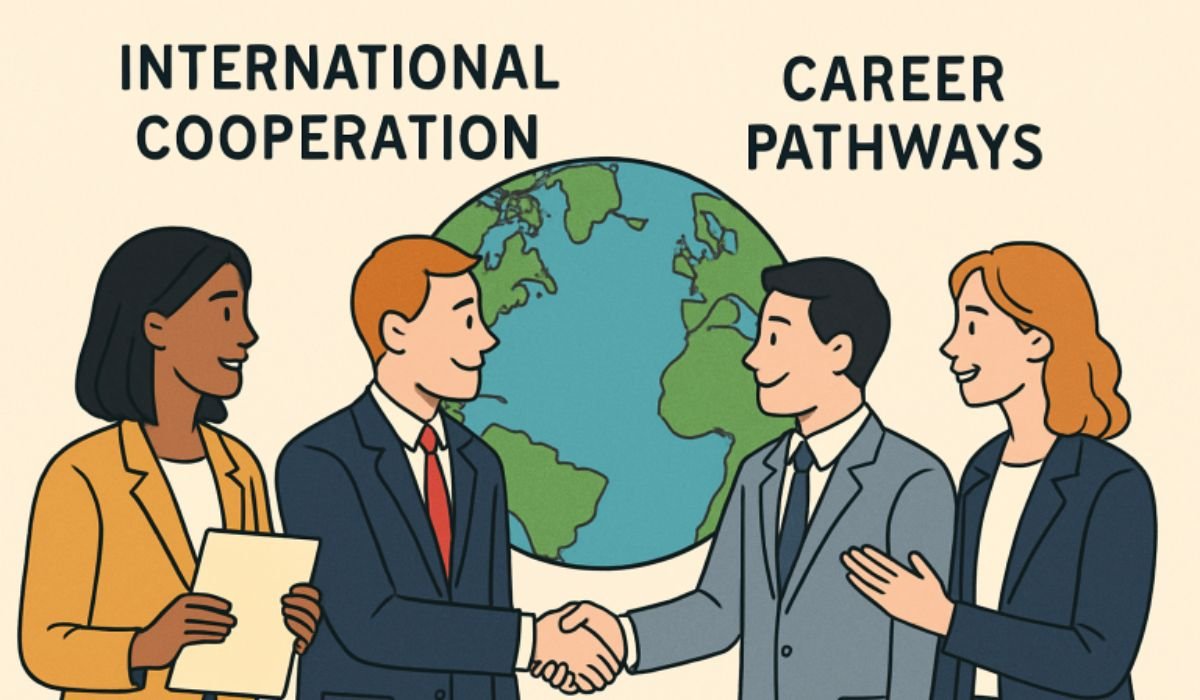
As the world becomes more interconnected, international administration careers open up a world of possibilities for individuals passionate about addressing transnational challenges and shaping public policy. Professionals in this dynamic field work with governmental bodies, NGOs, international corporations, and multilateral organizations on issues such as development, diplomacy, sustainability, and human rights. For those looking to take the next step, pursuing an International Administration masters degree online can provide essential skills and knowledge tailored to international contexts.
Roles in international administration require adaptability and a broad skill set, making them both intellectually stimulating and impactful. By acquiring advanced education, gaining hands-on experience, and developing cultural fluency, professionals can emerge as strong candidates for these coveted positions. The pursuit of such a career demands dedication, lifelong learning, and a readiness to engage with diverse perspectives.
Whether your ambition is to influence policy at the United Nations, steer projects for global NGOs, or drive international business strategies, the field offers pathways for motivated individuals to make a difference on a worldwide scale. With evolving geopolitical and socioeconomic landscapes, career opportunities in international administration remain diverse, rewarding, and ever-changing.
The journey toward a successful career in this arena typically starts with specialized study and training, hands-on internships, language learning, and active professional networking. Staying informed and proactive will help aspiring international administrators remain competitive and prepared for emerging trends and job openings in the global market.
Educational Pathways
Building a foundation in international administration most often begins with formal education. Degrees specializing in international relations, public administration, political science, or related fields provide critical theoretical frameworks and practical tools. Top institutions, many of which are affiliated with the Association of Professional Schools of International Affairs (APSIA), deliver reputable programs with curricula that merge global studies with pragmatic policy and management insights.
For prospective leaders who require flexibility, online programs offer the chance to gain expertise while balancing work or other commitments. These online degrees not only provide foundational knowledge in diplomacy, governance, and organizational management but also create opportunities to connect with students and faculty from around the world.
Gaining Practical Experience
Beyond academic achievement, on-the-ground experience is essential to thrive in global administration. Internships, volunteer placements, or temporary assignments at organizations such as the United Nations, World Bank, or international NGOs immerse early-career professionals in complex operational settings. For example, programs like the U.S. Department of State’s International Organizations Careers initiative expose interns to practical issues in multilateral diplomacy and global governance. These hands-on roles help reinforce classroom learning and can open doors to full-time employment.
Practical experience also enables individuals to develop critical soft skills, such as teamwork, negotiation, crisis management, and intercultural navigation. These attributes are highly valued in large, multilateral, multicultural organizations, where effective collaboration and communication are paramount.
Language Proficiency and Cultural Competence
Competence in additional languages remains a significant asset for international administrators. It not only facilitates clearer communication with global stakeholders but also signals adaptability and openness to other cultures. Achieving fluency in widely spoken languages—such as French, Spanish, Arabic, or Chinese—can substantially increase job market competitiveness. Enrolling in advanced language courses or immersion programs can accelerate language acquisition and enhance cultural understanding. These skills are increasingly important for navigating the multifaceted and sensitive cultural dynamics present in global institutions.
Cultural competence means more than language—it demands awareness and appreciation of diverse perspectives, customs, and working styles. Participating in cultural exchange programs or international fellowships helps future administrators develop a nuanced worldview, enabling them to bridge divides and foster effective cross-border cooperation.
Networking and Professional Development
Establishing and nurturing a strong professional network is a cornerstone of career success in international administration. Attending international conferences and industry gatherings, joining professional associations, and leveraging online platforms like LinkedIn can help professionals form meaningful connections, stay attuned to emerging opportunities, and discover mentorship. Ongoing learning is equally crucial. Earning professional certifications or attending workshops on topics such as project management, international law, or humanitarian logistics helps professionals remain agile in a fast-changing sector and position themselves for promotion or transition across organizations. News outlets like Devex regularly report on trends and changes affecting the international development and administration space, providing valuable context for career decisions.
Exploring Job Opportunities
Job opportunities in international administration can be found on dedicated career portals, membership organization job boards, and government recruitment sites. Global Careers is a prominent aggregator that connects job seekers with opportunities at United Nations agencies, NGOs, and other global employers. Prospective candidates should tailor their resumes to emphasize cross-cultural communication, project leadership, and relevant technical or language skills. Staying flexible about location, contract type, and job function can expand the range of available opportunities.
Additionally, reading news from global sources such as BBC World News helps professionals stay informed about international events, crises, and regulatory changes that may affect the hiring climate.
Adapting to a Changing Landscape
Shifts influence the global job market in international administration, foreign policy, funding streams, and global crises. Agencies such as USAID may experience changes in hiring trends and project priorities in response to political priorities. Professionals must remain proactive, continuously updating their skills and industry knowledge. Those equipped with interdisciplinary expertise and the capacity to manage change are especially well-positioned for long-term success. The ability to adapt and evolve is indispensable in a sector where challenges and opportunities often arise unexpectedly.
Conclusion
International administration is a high-impact, multifaceted career path for ambitious professionals seeking to shape the world’s future. Combining advanced education, practical experience, language and cultural proficiency, and purposeful networking positions individuals to excel. As the international landscape evolves, those with the commitment and skills to navigate its complexities will find rewarding and meaningful opportunities to make a global difference.
YOU MAY ALSO LIKE: Building English Proficiency: Unlocking Opportunities for Education and Career Growth