
 By Siam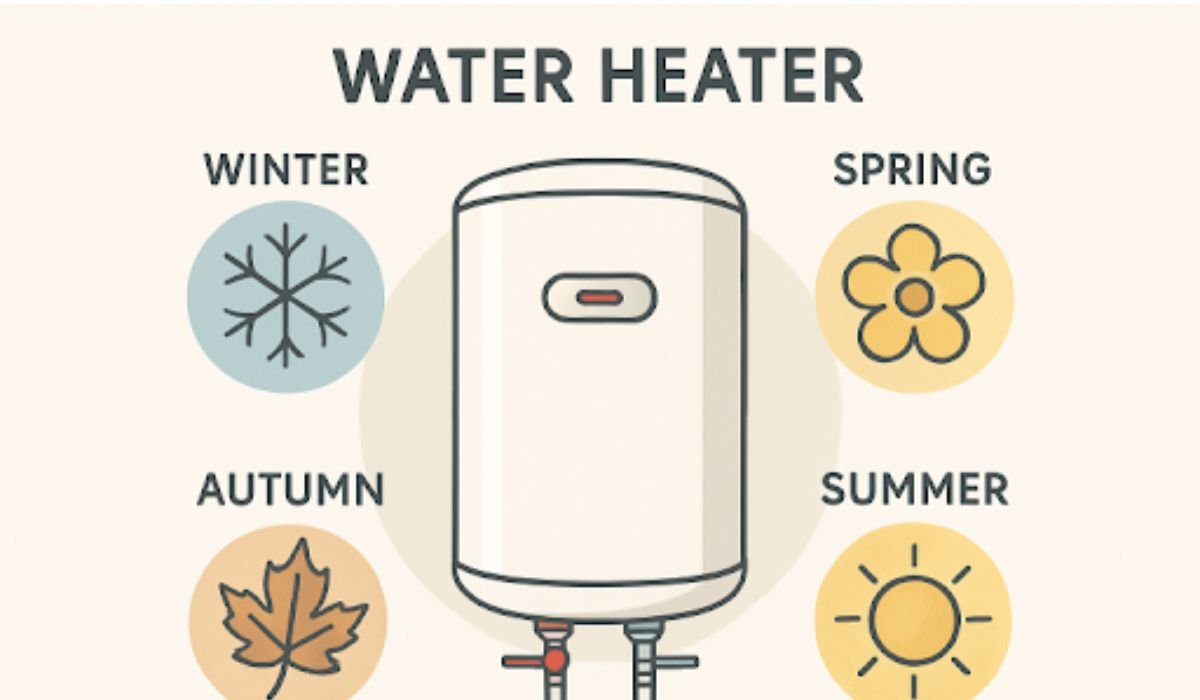
As temperatures and weather patterns change throughout the year, your water heater faces distinct challenges that can affect its performance, efficiency, and lifespan. Homeowners in variable climates must be proactive to avoid unexpected breakdowns and costly repairs. For those seeking reliable service options, heating and cooling repair in Fairfax County, VA is crucial to keep your systems running smoothly, regardless of the season.
Understanding the seasonal impacts on your water heater is crucial for ensuring consistent access to hot water and scheduling maintenance. Each season poses unique risks, from winter’s heavy workload to the hazards of spring and summer, making preparation essential for minimizing disruptions and maximizing unit lifespan. Seasonal maintenance enhances energy efficiency, reduces emissions, and lowers utility costs. Homeowners informed about these seasonal effects can identify warning signs early and avoid major failures, with accompanying guidance on year-round maintenance practices.
Winter Challenges
Winter is especially tough on water heaters. As outside temperatures drop, the water entering your heater is much colder and takes longer—and more energy—to heat. This added strain increases wear on heating elements, pressure valves, and other components. Older units may be particularly susceptible to this additional demand, resulting in more frequent service calls during the coldest months.
Ahead of winter, it’s best to schedule an inspection and perform routine maintenance. Insulating your heater and pipes can prevent heat loss, lower energy costs, and reduce the risk of pipes freezing and bursting. For more advice on winterizing your home, reference this energy-saving winter prep guide from the U.S. Department of Energy. Taking proactive steps now can extend the lifespan of your water heater and help ensure a consistent supply of hot water when you need it most. Regular winter preparation also minimizes the risk of unexpected breakdowns and costly emergency repairs during peak cold-weather use.
Spring Maintenance
As spring arrives, fluctuating temperatures and rising humidity levels can create new challenges for your water heater. Moisture buildup around the base of your unit—especially in basements, crawl spaces, or garages—may cause corrosion and rust. It’s essential to do a thorough visual check for leaks, rust spots, or standing water, and ensure proper ventilation to guard against moisture damage.
Spring is an excellent time to flush your water heater tank to remove any sediment that has built up over the winter. Sediment reduces efficiency, accelerates wear, and can even cause noisy operation or leaks over time. Consistent annual flushing supports your heater’s longevity and performance.
READ ALSO: Common Plumbing Problems and Smart Solutions for Every Homeowner
Summer Strain
Summer may seem like an easier season for water heaters, but it brings its own set of issues. Higher ambient temperatures can cause some units—especially those in poorly ventilated or insulated areas—to overheat. Families may also use more hot water with frequent showers, guests, and cleaning, further straining the system.
Proper insulation around your heater and pipes helps mitigate overheating and preserves efficiency. Monitor for any signs of excessive heat, such as scalding water or unusual noises, and take prompt action to prevent mid-summer equipment failures. The U.S. Department of Energy provides valuable guidance on maintaining water heaters to optimize energy savings throughout the year.
Autumn Preparations
Autumn marks an essential transition for homeowners with outdoor or garage-mounted water heaters. Falling leaves and debris can block vents, reducing combustion efficiency and posing potential fire risks. Rapidly shifting temperatures may also affect the accuracy of your thermostat or disrupt your heater’s responsiveness.
Before cold weather sets in, clear the area around your water heater of leaves, dirt, or clutter, and test the thermostat for appropriate function. Ensuring the space is clean and free of blockages helps your system stay efficient and safe through the colder months.
Preventive Measures
- Regular Flushing: Drain your tank and flush sediment annually to maintain optimal performance and prevent corrosion.
- Insulation: Insulate your water heater and exposed pipes to minimize energy waste, especially in unheated spaces.
- Thermostat Settings: Set your thermostat to 120°F for optimal comfort and efficiency, avoiding higher temperatures unless necessary.
Signs of Trouble
Stay alert to warning signs that your water heater may need attention or professional service:
- Fluctuating or inconsistent water temperatures
- Banging, popping, or hissing noises coming from the tank
- Rusty or discolored hot water
- Visible water leaks or pooling near the unit
- Sudden loss of water pressure
Addressing these problems early can help prevent severe damage and expensive repairs.
Professional Inspections
Annual inspections by a qualified technician are the best way to keep your water heater functioning at its best. Professionals will inspect critical components, including the anode rod (which prevents internal tank corrosion), pressure relief valve, and heating elements, ensuring your system operates safely and efficiently throughout the year. Routine visits can also catch minor issues—such as worn seals or compromised wiring—before they become emergencies.
Conclusion
Anticipating how seasonal shifts impact your water heater can save you from discomfort, water damage, and high utility bills. Commit to regular checks, seasonal maintenance, and prompt repairs to enjoy reliable hot water, whether it’s cold or midsummer hot. By remaining proactive and informed, you help extend the life of your system and protect your home’s overall comfort and efficiency.
YOU MAY ALSO LIKE: Going Tankless? What Homeowners Should Know About Tankless Water Heaters