 By Arthur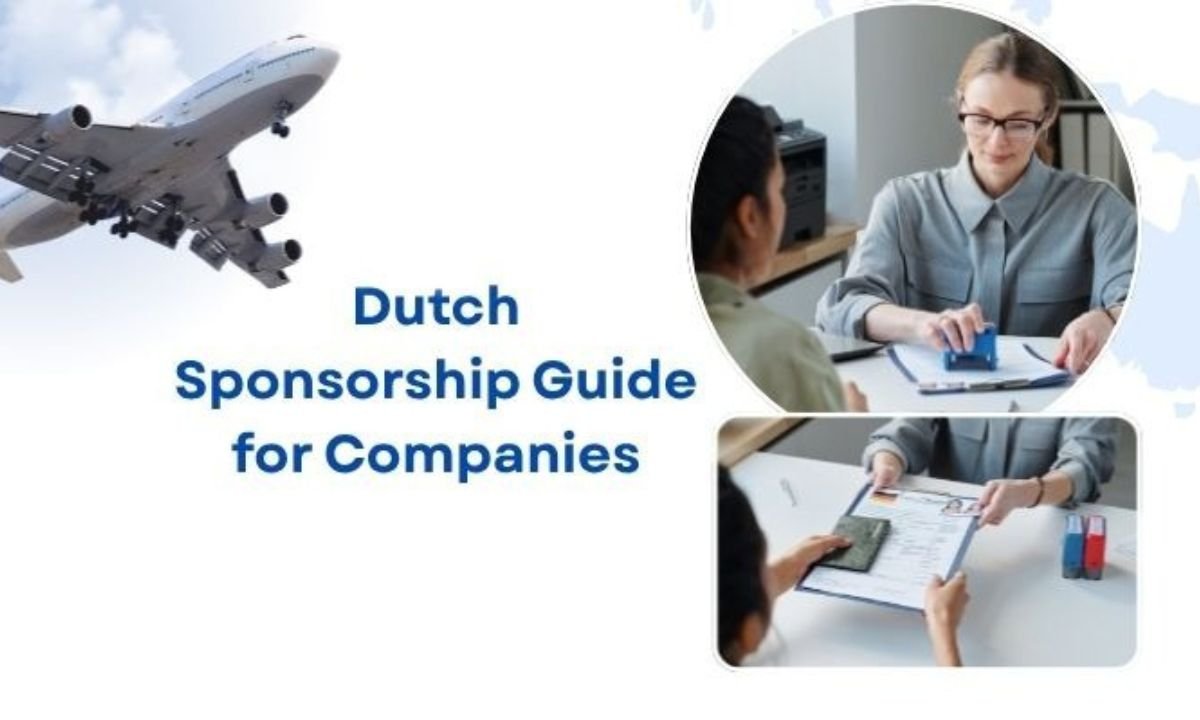
For the worldwide talent, the Netherlands in Europe is one of the most attractive destinations as businesses continue to expand beyond borders. Given its robust economy, English-friendly atmosphere, and innovative work culture, it is not surprising that Dutch businesses and foreign workers are interacting more than ever..
Getting through the Dutch sponsorship system is necessary when a company decides to hire non-EU talent. With the right knowledge and readiness, the process can be easy and highly rewarding for both the employees and the employer, but the rules can seem complex at first.
In the article, we will know how sponsorship works in the Netherlands and what your company needs to know when hiring highly skilled migrants.
Importance of the Sponsorship
To make sure that businesses hiring foreign workers are trustworthy and economically secure, the Dutch Immigration and Naturalization Service (IND) employs a sponsorship system. Employers who wish to sponsor foreign professionals for a work and residence permit must be officially recognized by the IND.
Getting recognized as a sponsor enables simpler, more rapid visa processes and lends legitimacy to your company. Additionally, it lets new hires know that your business complies with stringent government regulations, which is crucial for trained personnel who appreciate security and openness during the relocation process.
If your business isn’t yet recognised, applying for Recognised Sponsorship IND status should be your first step. Once approved, your company is listed in the public register of recognised sponsors, making it easier to bring in international employees through the fast-track route for highly skilled migrants.
Route of the Highly Skilled Migrant
The Highly Skilled Migrant Visa (HSM Visa) is the most commonly used for international professionals, out of all the different kinds of visas that the Netherlands offers.
For Dutch employers with the recognized sponsor status, this visa allows qualified non-EU citizens to live and work in the Netherlands. It’s especially helpful for startups, IT firms, and research institutions that need to hire top personnel fast.
Here are the main conditions:
- A recognized sponsor with an IND is necessary for the employer.
- The worker must be covered by a current employment contract that pays the minimum wage.
- The designation should match the candidate’s educational level and experience.
One of the benefits of this visa route is its quicker and flexible. The application process is typically much quicker than that of typical work permits, frequently taking only a few weeks, because the IND trusts established sponsors.
READ ALSO: Understanding the New Zealand Partner Visa for Australian Residents
Recognized Sponsorship
The procedure for the Recognised Sponsorship IND is deep and straightforward. Your business must demonstrate that it complies with Dutch legislation, is financially stable, and is appropriately registered with the Chamber of Commerce (KvK).
You must pay a one-time application fee, present documentation attesting to the integrity of your organization, and wait for the IND to review your request.. Once you’re approved, your company enjoys several benefits:
- For applications for a work permit, quicker decision times are required.
- Paperwork is less for each new migrant employee..
- The ability to connect directly with the IND.
Recognized sponsors, however, also take on ongoing obligations. However, acknowledged sponsors also assume continuing responsibilities. You must maintain accurate personnel records, ensure that all employment terms comply with Dutch law, and report any changes within four weeks.
Hiring a Highly Skilled Migrant: Steps Below to Follow
Your company should follow the following steps:
1: Make sure the eligibility
Ensure your company is financially healthy and registered in the Netherlands.
2: Request Recognition
Submit your application to the IND to become a recognised sponsor. If you don’t plan to sponsor regularly, you can also partner with an external recognised sponsor or Employer of Record (EOR).
3: Advertise Employment
Once recognised, you can issue a job offer and employment contract that meets the required salary threshold.
4: Enrol your application for the visa
You (as the sponsor) apply to the IND on behalf of your future employee. The application includes the contract, proof of income, and personal documents from the candidate.
5: Start working after receiving approval
Once approved, the employee can collect their residence permit and start working immediately. Most permits are valid for up to five years, depending on the contract length.
6: remain confirming
As a sponsor, you should obey your duties, maintain proper records and inform the IND of any changes and support your employee with their relocation process.
Some Mistakes to Consider
There are some drawbacks that employers must be aware of while the process is fairly structured:
- Neglecting the salary threshold: a small mistake can cause the rejection in the visa application. Always verify the most recent wage data that the IND releases annually.
- insufficient documentation: the approval can also be delayed if details are missed and contracts are unclear.
- Delay notifications: Penalties may be imposed for failure to report any changes in the job situation within the allotted four weeks.
- Not having proper communication with the employees: International hires often need extra guidance with housing, tax, and registration procedures. Providing support can improve retention.
Remaining Visa Options
There are many other visa options other than HSM. One of the options is the EU Blue Card Visa, which allows skilled workers to move more freely across EU member states after a certain period. This can be useful for multinational companies with operations in multiple European countries.
Visas such as the Dutch-Japanese Trade Treaty Visa for Japanese nationals and the DAFT Visa for American businesspeople are also available. Every requirement has its own way; however, the fundamental idea is still the same: businesses must prove their dependability and adherence to Dutch immigration laws.
Reasons that Companies Should Invest in Recognition
Becoming a recognised sponsor is an investment for the growth of your business, but it may seem like an administrative step. It improves your reputation in the global labour market, improves hiring procedures, and provides you with long-term access to international talent.
Foreign applicants also tend to trust reputable sponsors more since they know their paperwork will be handled professionally and swiftly. This can make a big difference when competing for top talent in sectors like tech, research, and finance.
Conclusion
Making your way to the Dutch sponsorship system is not as complex as it seems. Businesses with the help of proper eagerness, adherence and clear communication can use the system to their benefit, drawing in top personnel while preserving a solid legal base.
You give access to a worldwide network of experts who are eager to help your company succeed with the help of a Highly Skilled Migrant Visa and by becoming a recognised sponsor.
It is a strategic benefit, not just a legal necessity, to understand and utilise the Dutch sponsorship framework in a world where skilled talent is increasingly mobile.
YOU MAY ALSO LIKE: UAE’s thriving startup ecosystem: opportunities and legal considerations