
 By Siam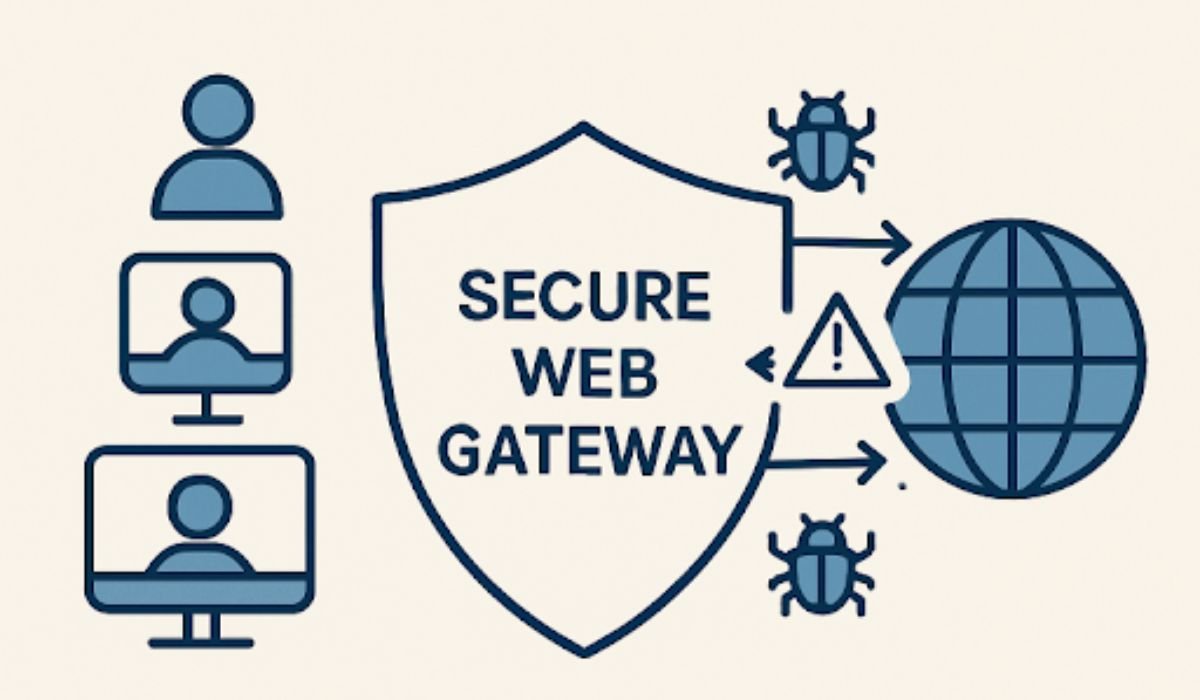
In a digital-first world, the growing volume and sophistication of cyber threats continually challenge organizations to protect their sensitive data and ensure secure internet access. Rapid digitalization, the emergence of hybrid work environments, and the surge in advanced cyberattacks have enhanced the urgency for comprehensive web gateway security solutions. Today, every business—regardless of its size, sector, or geographic footprint—faces increasing risks from unfiltered web traffic, phishing attempts, and sophisticated malware. As a result, adopting robust protective measures is no longer an option but a necessity for survival and growth in the digital age.
Secure Web Gateways (SWGs) are crucial for protecting organizations at the digital perimeter by acting as barriers against harmful web content. They monitor user activities to prevent malware, data leaks, and web-based attacks using real-time threat intelligence. SWGs utilize advanced analytics and policy enforcement to distinguish between normal and suspicious activities, facilitating proactive threat response. With the rise of remote work and SaaS adoption, the demand for SWGs has increased, as they provide necessary visibility and control in dynamic environments, while also aiding compliance with regulations such as GDPR and HIPAA.
Understanding Secure Web Gateways
SWGs are dedicated security platforms designed to monitor, control, and protect the internet traffic that flows between internal networks and the public internet. Acting as digital sentinels, SWGs enforce company policies regarding internet use, proactively block access to malicious sites, and prevent the download of dangerous files. They conduct deep inspections of both normal and encrypted (HTTPS) traffic, uncovering threats hidden within secure communications—a crucial feature as more web traffic becomes encrypted.
Functioning as intermediaries, SWGs scrutinize, filter, and log every web request, while allowing authorized, policy-compliant access to legitimate sites and services. Their capabilities often extend to powerful sandboxing for suspicious files, application controls to manage or block risky web apps, and integrated data loss prevention (DLP) to ensure sensitive information remains securely inside the organization. This multipronged approach safeguards employees, partnerships, customers, and intellectual property from the ever-evolving threat landscape.
READ ALSO: The Role of AI and Automation in Cloud Security Posture Management
Key Features of SWGs
- URL Filtering: SWGs deliver granular control over which websites users can access, enabling organizations to block access to non-business, high-risk, or inappropriate content categories before connections are established. This reduces exposure to harmful sites and helps support compliance with acceptable use policies.
- Malware Detection: With advanced scanning engines, SWGs inspect all content for signs of viruses, ransomware, trojans, and zero-day threats. These engines scan scripts, files, and web components—often in real-time—helping to stop threats before they can enter the network or compromise endpoints.
- Data Loss Prevention (DLP): By monitoring outbound web traffic, SWGs protect sensitive data, including personal information, customer details, and proprietary knowledge, from leaving the organization without authorization. This feature is crucial for organizations handling regulated or confidential information.
- Application Control: SWGs allow organizations to restrict and manage access to web applications they consider high-risk or irrelevant. This includes unauthorized cloud services, productivity-draining social media, or unknown “shadow IT” that may bypass company security controls.
- SSL/TLS Inspection: As encrypted traffic becomes the norm, SWGs have developed advanced tools to decrypt and inspect traffic flowing through SSL and TLS protocols. This identifies threats hiding in otherwise secure-looking connections and maintains the security of encrypted web communications.
Benefits of Implementing SWGs
- Enhanced Security: SWGs significantly reduce an organization’s exposure to cyber threats, such as phishing, web-based exploits, and malware, by proactively blocking them at the entry point. They also enable security teams to focus on more strategic initiatives by automating the detection and mitigation of everyday risks.
- Regulatory Compliance: Robust policy management, reporting, and logging features help organizations meet industry-mandated standards, including GDPR, HIPAA, and PCI DSS. By providing documentation and audit trails, SWGs help meet compliance requirements and respond swiftly to audits.
- Improved Productivity: By blocking access to distracting, high-risk, or non-business-related sites, SWGs keep users focused on core tasks. This supports workforce efficiency and enables both IT and HR teams to enforce productive workplace behaviors.
- Comprehensive Reporting: SWGs provide actionable insights into internet use and network activity, offering clear visibility into emerging threats, policy violations, and risky behavior. This supports both real-time incident response and strategic improvements to the security posture.
With these benefits, organizations can maintain a secure, policy-compliant digital environment, fostering trust among stakeholders while balancing security imperatives with the need for internet accessibility and business growth.
Prominent industry analysts predict that SWGs will remain essential as industries accelerate their adoption of cloud, remote work, and hybrid IT models, thereby cementing the SWG’s role as a critical pillar of organizational cybersecurity.
Integration with Existing Security Infrastructure
Today’s security operations require that defensive tools collaborate and reinforce each other to thwart both known and emerging threats. Secure Web Gateways integrate seamlessly with other foundational security solutions, such as firewalls, endpoint protection platforms, and intrusion detection/prevention systems. This interconnected approach forms a cohesive, multi-layered defense, known as defense-in-depth, where security controls overlap to address a diverse range of risks.
Many SWGs come equipped with centralized management portals and robust APIs, allowing them to be orchestrated within broader security information and event management (SIEM) or extended detection and response (XDR) platforms. Such integration delivers richer incident visibility, faster attack correlation, and more accurate responses—significantly increasing an organization’s resilience to complex, multi-vector attacks.
Choosing the Right SWG Solution
- Scalability: The chosen SWG should accommodate growing user bases, new work patterns, and evolving web traffic loads without costly or time-consuming upgrades. Assessing both current and projected organizational growth is crucial in the selection process.
- Performance: Fast, efficient threat analysis that does not negatively impact network speed or user experience is vital. The ideal SWG delivers robust protection while minimizing latency and avoiding disruptions to business operations.
- Ease of Management: Administrators benefit from intuitive dashboards, policy creation wizards, and simple update processes. Automation of repetitive security tasks reduces administrative overhead and prevents configuration errors that can lead to vulnerabilities.
- Comprehensive Feature Set: Evaluate platforms to ensure they offer core capabilities (such as DLP, SSL inspection, and application control), plus the flexibility to add enhancements as business requirements evolve.
Before selecting and deploying an SWG, organizations should conduct a thorough assessment of their unique risk landscape, regulatory requirements, infrastructural needs, and strategic plans for future growth.
Conclusion
Meeting the demands of today’s threat landscape necessitates advanced, flexible controls like Secure Web Gateways. By diligently filtering web traffic, enforcing granular user policies, and integrating with surrounding security infrastructure, SWGs have become indispensable to modern organizations’ cyber defenses. Choosing the right SWG empowers businesses to defend digital assets, comply with industry regulations, and foster secure productivity as technology and risk evolve. With these tools in place, organizations can confidently navigate the complexities of digital transformation and a dynamic cyber threat environment.
YOU MAY ALSO LIKE: Why Patch Management Software is Essential for Cybersecurity Hygiene