 By Siam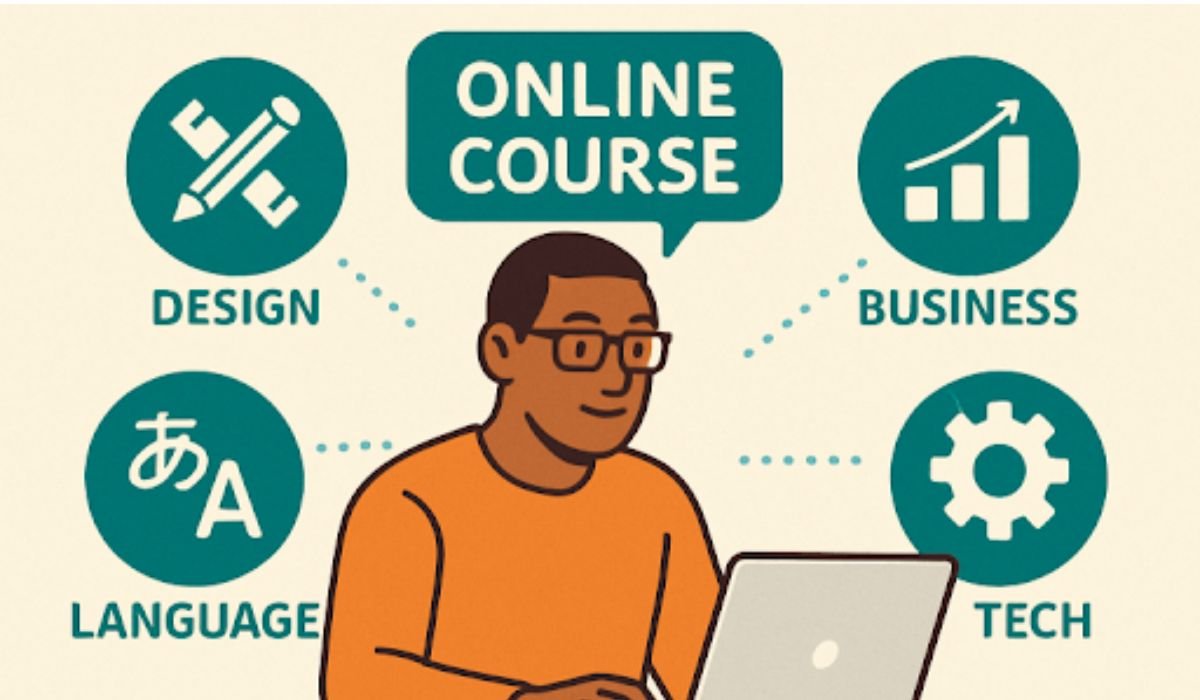
The Evolving Job Market Demands Continuous Learning
In today’s dynamic professional landscape, industries are transforming at lightning speed due to technological innovation, globalization, and shifting workforce expectations. As a result, the concept of lifelong learning has become indispensable to staying relevant and competitive. A recent report from the World Economic Forum suggests that by 2030, 39% of existing skill sets will become outdated, reinforcing the critical need for continuous upskilling and reskilling. Whether it’s mastering new software, staying current with industry regulations, or pivoting areas of expertise, learning is now a core part of every career journey.
Organizations and individuals alike are recognizing that formal education often marks only the beginning of meaningful professional development. Innovative approaches to learning are taking center stage, offering flexible, accessible ways for busy adults to engage with new content and skills. Opportunities such as stackable credentials, micro-courses, and open learning platforms empower learners to pursue knowledge on their own terms. For example, the MSU Innovative Learning initiative is helping redefine when, where, and how education can occur, enabling professionals to stay ahead of the curve in a rapidly evolving marketplace.
Employers Prioritize Skills Over Degrees
The shift in hiring practices is palpable, as more employers look beyond a college degree and assess a candidate’s specific skills, adaptability, and value to the organization. According to LinkedIn’s 2024 Future of Work report, 64% of professionals feel overwhelmed by the rapid pace of workplace changes, with 68% seeking more support than ever before. Hiring assessments are increasingly based on real-world projects, portfolios, and skill demonstrations rather than academic transcripts alone, a trend that’s reshaping the employer-employee dynamic.
This new focus benefits lifelong learners who proactively seek development opportunities. By continually acquiring up-to-date skills in fields such as artificial intelligence, project management, and diversity and inclusion, professionals set themselves apart as adaptable, forward-thinking contributors. Employers recognize that the willingness to learn and embrace change is often more valuable than static credentials obtained years ago. As industries transform, workers with an agile mindset become indispensable assets to their teams and organizations.
READ ALSO: Building English Proficiency: Unlocking Opportunities for Education and Career Growth
Flexible Learning Options Support Lifelong Education
Modern technology has transformed education into a highly flexible endeavor. The prevalence of online platforms, mobile learning, and even AI-driven personalized modules means that professionals are no longer tied to traditional, rigid course calendars. Instead, they can access specialized content on demand and integrate new knowledge into their roles without taking significant time away from work or family.
Further, educational institutions are collaborating closely with industry leaders to design curricula that align with the needs of the current workforce. Micro-credentials, short-term certificates, and executive education programs are making it easier for learners at different career stages to integrate ongoing skill-building into their busy lives. This collaborative push ensures education remains practical, engaging, and immediately applicable on the job. According to an article in Forbes, these new learning pathways are gaining rapid adoption among forward-thinking professionals.
Universities Adapt to Meet Lifelong Learners’ Needs
Colleges and universities are no longer limited to awarding traditional degrees. As the workforce evolves, educational institutions are reimagining how they serve a broad spectrum of learners, from recent graduates looking to add specific skills, to seasoned professionals updating expertise, to adults shifting careers altogether. Through stackable, modular courses, learners can earn certifications that reflect real-world competencies and progress toward higher credentials as their careers advance.
This adaptation is reshaping the role of higher education. Rather than being seen as a one-time experience, universities are positioning themselves as lifelong partners for professional growth. Many are launching robust continuing education departments and engaging in public-private partnerships to ensure their offerings reflect rapidly changing industry needs. According to The New York Times, such institutional flexibility is increasingly crucial to supporting diverse learners throughout their working lives.
Embracing Lifelong Learning Enhances Employability
Pursuing continuous learning is not just a strategy for staying relevant; it is also a clear pathway to unlocking new professional opportunities. Regularly updating key skills, exploring new fields, and seeking timely certifications can lead to career advancement, higher salaries, and personal fulfillment. Embracing this growth mindset keeps professionals prepared for unexpected shifts and positions them as leaders in their industries.
Technology professionals, for example, can benefit from specializing in emerging areas like AI ethics or edge computing. In fields such as human resources, delving into topics like workplace equity or employee experience can open up entirely new career trajectories. Lifelong learning is ultimately an investment in adaptability, resilience, and ongoing achievement, no matter one’s profession. A proactive approach ensures both employability and contribution to a more innovative and responsive workforce.
Conclusion
Lifelong learning is no longer optional—it is essential for thriving in a marketplace characterized by constant change. The need to continuously expand your skillset, adapt to technological advances, and stay current with industry trends has redefined career success. By seeking diverse educational opportunities and leveraging learning platforms, individuals can enhance their job prospects, drive long-term success, and achieve personal growth in a dynamic world.
YOU MAY ALSO LIKE: Global Careers in International Administration: Opportunities and Pathways