
 By Siam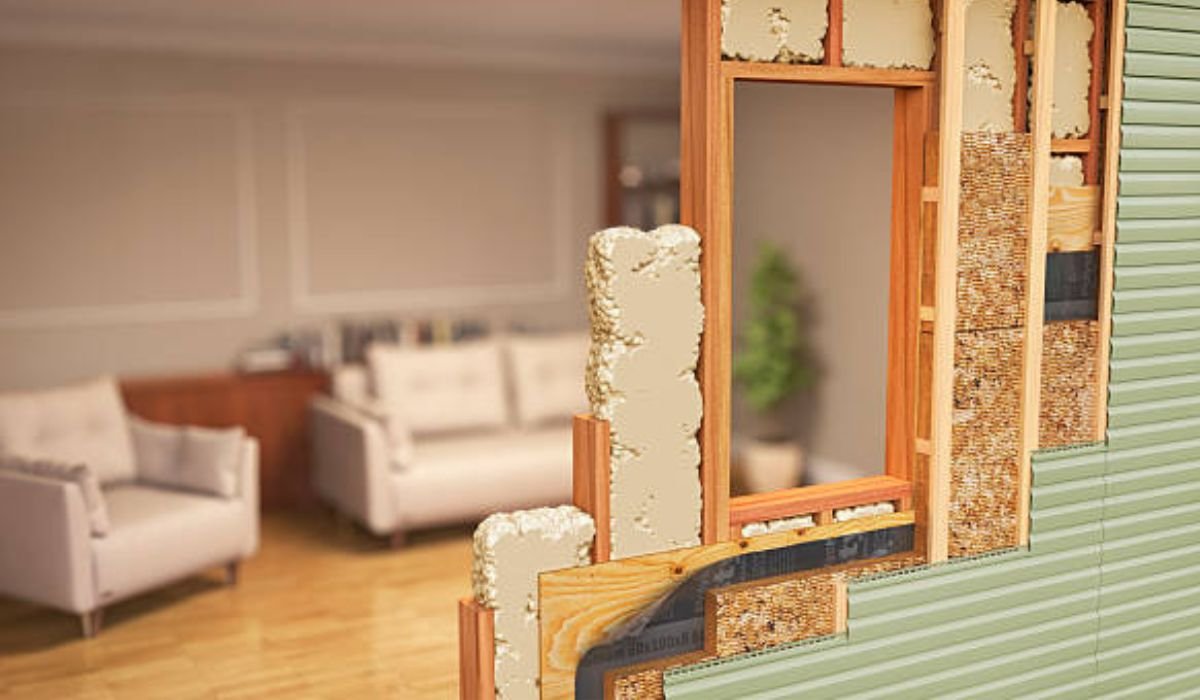
Introduction
As energy efficiency becomes a top priority for homeowners, modern insulation solutions are evolving to meet the demands of various climates. From arctic winters to sweltering summers, innovative materials and technologies are transforming how we insulate our homes, enhancing comfort and reducing energy consumption year-round. Advances in insulation not only affect interior temperatures but also improve indoor air quality and reduce dependency on heating and cooling systems, directly impacting monthly utility bills. Companies like Net Zero Insulation, based in Littleton, Colorado, specialize in providing comprehensive home and office insulation services, including energy audits, to maximize energy efficiency and create comfortable living environments. Their expertise ensures that homeowners receive customized solutions tailored to their unique climate challenges, thus optimizing both short-term comfort and long-term sustainability.
Advancements in Insulation Materials
Recent developments have introduced materials like aerogel insulation, known for its exceptional thermal performance. Aerogel, often referred to as “frozen smoke” for its translucent appearance and ultra-lightweight nature, delivers R-values of 8-10 per inch, significantly outperforming traditional fiberglass insulation, which often maxes out at R-3.5 per inch. This advancement allows for thinner walls and reduced material bulk without compromising energy efficiency, making it ideal for space-constrained applications such as urban homes or retrofits. In addition to aerogel, mineral wool, and advanced cellulose insulation, these materials are gaining traction due to their fire resistance, moisture control, and environmental benefits. These materials are particularly valued in regions that experience temperature extremes, as they effectively limit thermal bridging and resist heat transfer.
Smart Insulation Systems
Integrating smart technology into insulation systems is revolutionizing home climate control. For instance, Quilt’s ductless heat pump system combines high efficiency with intelligent features such as real-time energy tracking, programmable temperature zones, and user-friendly smartphone apps. These systems adapt to homeowners’ preferences and environmental conditions, allowing for precise control room by room, and ensuring comfort where and when it’s needed most. This approach not only enhances comfort but also contributes to energy savings by automatically adjusting operation based on occupancy patterns and weather forecasts. By reducing waste from overheated or overcooled spaces, smart insulation and climate systems lead to lower utility bills and a smaller carbon footprint, making them attractive choices for tech-savvy homeowners.
Climate-Adaptive Building Shells
Climate-adaptive building shells (CABS) are designed to respond dynamically to changing environmental conditions. These systems use materials and mechanisms that can adjust their thermal properties—such as modulating shading devices, phase-change materials that store or release heat, or smart glazing technologies—to optimize energy use indoors. By analyzing sunlight, wind, humidity, and temperature conditions in real time, CABS helps maintain stable indoor conditions while reducing reliance on mechanical heating and cooling. Research suggests that integrating CABS into residential buildings can reduce total energy consumption by up to 30%, yielding both environmental and economic benefits. By maintaining optimal comfort while minimizing energy waste, CABS represent the future of resilient, sustainable building design.
READ ALSO: How Seasonal Changes Affect Your Water Heater and Repair Needs
Retrofitting Existing Homes
Upgrading existing homes with modern insulation techniques is a viable path toward significant energy efficiency gains, even for older structures. Deep energy retrofits go beyond simple attic or wall insulation by addressing multiple layers of building performance, including enhanced insulation, improved airtightness, upgraded windows, and efficient ventilation systems. These comprehensive upgrades often start with an energy audit to identify inefficiencies and are followed by targeted interventions that can cut overall energy use by 30%–60% or more. Such retrofits not only improve occupant comfort by stabilizing indoor temperatures and reducing drafts, but also add value to the property and contribute to environmental sustainability by reducing greenhouse gas emissions.
Superinsulation Techniques
Superinsulation involves using extremely high levels of insulation and meticulous airtight construction to minimize heat loss or gain, regardless of exterior conditions. This method is the cornerstone of the Passive House Standard, which sets strict criteria for thermal performance and energy use in residential buildings. By wrapping the building envelope with thick layers of insulation—often double or triple that of conventional homes—and carefully sealing joints and seams, superinsulation ensures negligible heat transfer and drafts. As a result, heating and cooling systems can be downsized dramatically, reducing energy demand and ongoing costs. Implementing superinsulation can dramatically reduce heating and cooling demands, making it a key strategy for energy-efficient homes and an essential element for those aiming for net-zero energy use or highly sustainable construction projects. Superinsulated homes also tend to be quieter and more comfortable during extreme weather events.
Innovative Insulation Materials
Materials like vacuum-insulated panels (VIPs) and graphene-infused insulation are at the forefront of insulation technology. VIPs consist of a solid core material encased in a vacuum-sealed panel, achieving R-values of R-30 to R-50 per inch, compared to traditional insulation materials. This high performance in an incredibly thin profile makes VIPs highly attractive for refrigerators, water heaters, and tight wall cavities where maximizing space is critical. Meanwhile, graphene—a single layer of carbon atoms arranged in a hexagonal lattice—offers exceptional strength and conductivity. When used to enhance insulation products, graphene improves thermal resistance while maintaining a lightweight and flexible structure. Both VIPs and graphene-insulated materials point to an accelerated future in which energy loss is minimized without increasing the thickness or weight of the construction. These innovations are paving the way for more efficient and sustainable building practices, helping homeowners make choices that balance comfort, savings, and the environment.
Conclusion
Embracing modern insulation solutions tailored to specific climates is essential for achieving energy-efficient, comfortable homes amid fluctuating weather patterns and rising energy costs. By staying informed about advancements in materials and technologies—from ultra-high-performance aerogels to adaptive building shells and smart insulation systems—homeowners can make strategic decisions that benefit both their comfort and the environment. These solutions can be further optimized when paired with renewable energy sources, such as solar panels and high-efficiency heat pumps, for a truly sustainable living environment. Engaging with experienced professionals ensures insulation projects are executed with precision and tailored to individual needs, helping homeowners enjoy lower energy bills, improved indoor air quality, and year-round, reliable comfort.
YOU MAY ALSO LIKE: The Silent Guardian in Your Walls: Why Modern Insulation is Spain’s Unsung Hero of Construction