
 By Arthur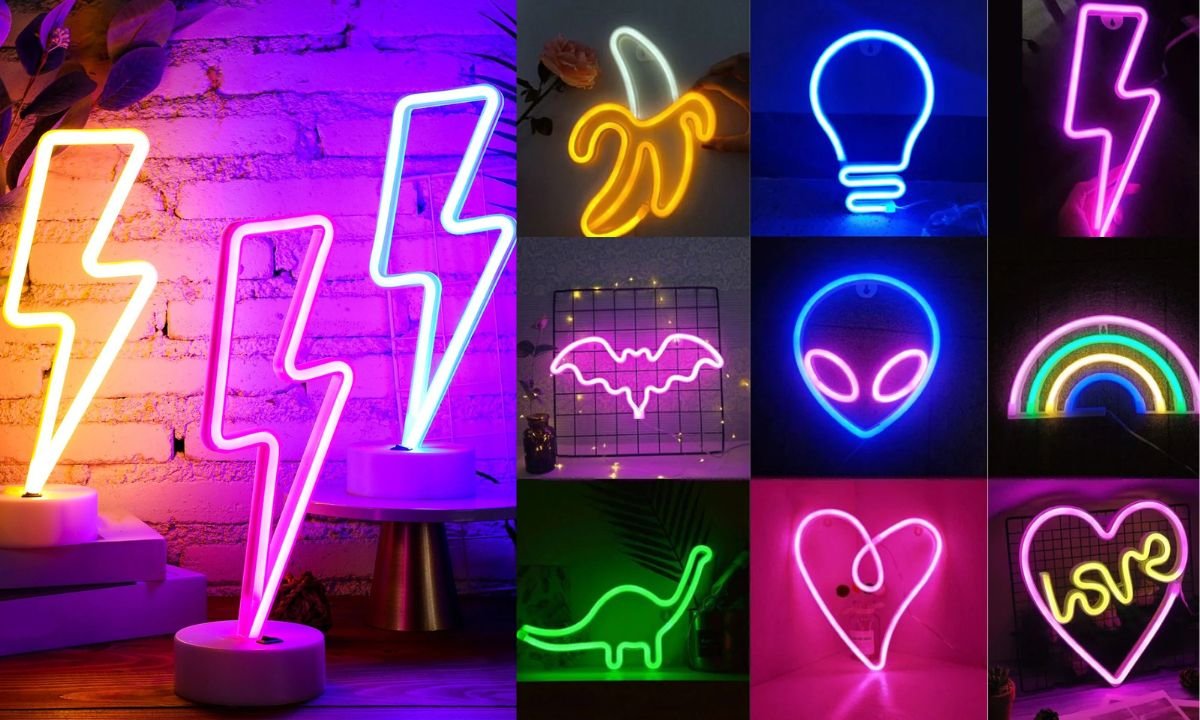
Most of us have lived in at least one room that looked fine but felt oddly uninviting.
The furniture was doing its job, the layout made sense, and the lighting was technically “good,” yet the space never quite worked. That usually isn’t a furniture problem. It’s a lighting one.
Most lighting is designed to stay out of the way. Ceiling lights illuminate, lamps soften corners, and neither asks much attention. Neon, on the other hand, shows up with intent. It isn’t subtle, but it doesn’t need to be loud either. It brings character into a room that might otherwise feel forgettable.
From Street Signs to Sofa Corners
Neon once existed to be spotted from across the street, preferably after dark. It pointed people toward bars, diners, and anywhere promising a bit of life. As cities went digital and directions moved to phones, neon lost its practical job and picked up a new one indoors.
Inside a home or studio, neon light signs work less like signage and more like a cue. A soft glow over a bookshelf, a short phrase on the wall, or a simple shape near a desk can change how a space feels. It gives the eye somewhere to pause, which is often all a room needs.
Why Neon Doesn’t Feel as Intense as You’d Expect
Neon has a reputation for being bold, but in practice, it’s pretty polite. Unlike overheads that swamp a room with light, neon is happy to be in one corner, adding colour and a welcoming hum while the rest of the space relaxes.
In other words, it’s more understated than most expect. Neon takes the edge off sharp overheads as soon as you slump into your sofa in the evenings, and it’ll help you wake up in a workspace during the day. It’s in sync with how you live in a space, rather than forcing a single mood.
Make It Your Own, Without Overthinking It
Part of what makes neon work in an interior is that it’s deeply personal. A word that you like the look of that you can see every day, a symbol that means something to you, or a shape that works well with the rest of the décor—it’s more than just another framed print. It’s contributing to the atmosphere, even if it’s only in a subtle way.
Design-centric brands such as Yellowpop have helped neon to become a part of more people’s everyday home and work environments. Why? Because they treat neon as a design choice rather than a passing fad.
When a Space Stops Feeling Temporary
No room feels fully designed just because every single item in it is a good match. Rather, a room feels complete when it speaks to the personalities of those who spend time in it and lighting plays a far greater role in this than others might give it credit for.
Used in the right measure, neon adds warmth, personality, and homeliness. It tells people that a space is alive and interesting, not just for show.
READ ALSO: LED Wall Pack Lights: Types, Specs & Installation